Writing — 59+ essays & columns
Essays & columns
The economics of AGI and digital money — Forbes columns, Substack essays, and occasional long arguments.
2026
Aug 2026 ESSAY No, Anthropic Won’t Be the Only Company Left FWD FUTURE  Aug 2026 ESSAY Some Simple Economics of Open versus Closed AI A16Z
  08.07 ESSAY Surviving the AI Moatpocalypse SUBSTACK
  Jul 2026 COLUMN Don’t Pace The Frontier. Look Inside The Trojan Horse. FORBES
 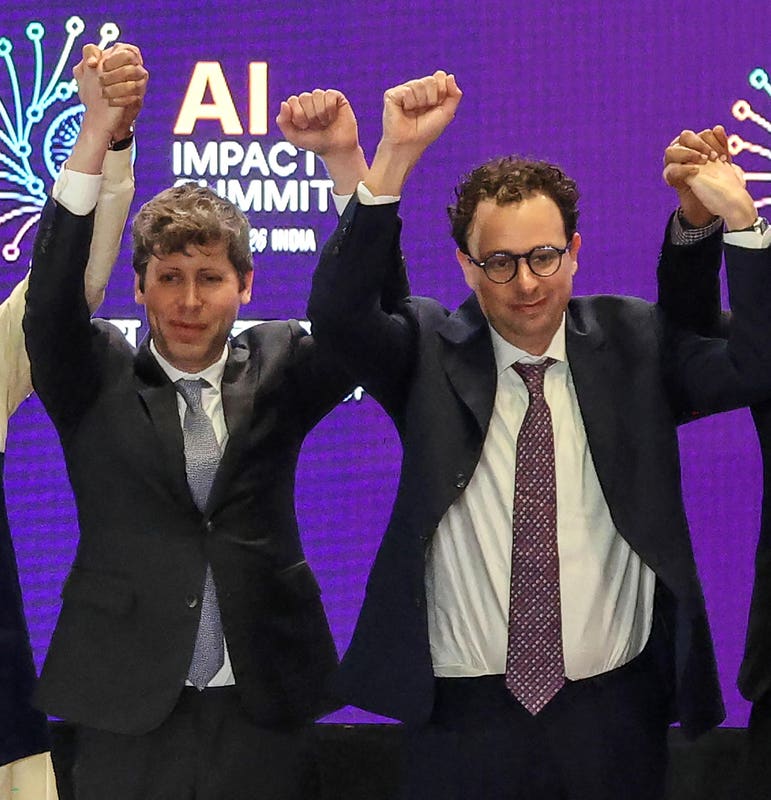 Jul 2026 COLUMN You Can't Tariff Intelligence FORBES
  Jul 2026 COLUMN There’s One Way To Win The AI Race, And The Big Labs Are Lobbying Against It FORBES
  06.30 COLUMN Why An Open Standard Will Win The Stablecoin Race FORBES
  06.27 ESSAY Intelligence Wants to Be Free SUBSTACK
  06.16 COLUMN Nadella’s Test: What’s Left When The AI Model Is Pulled? FORBES
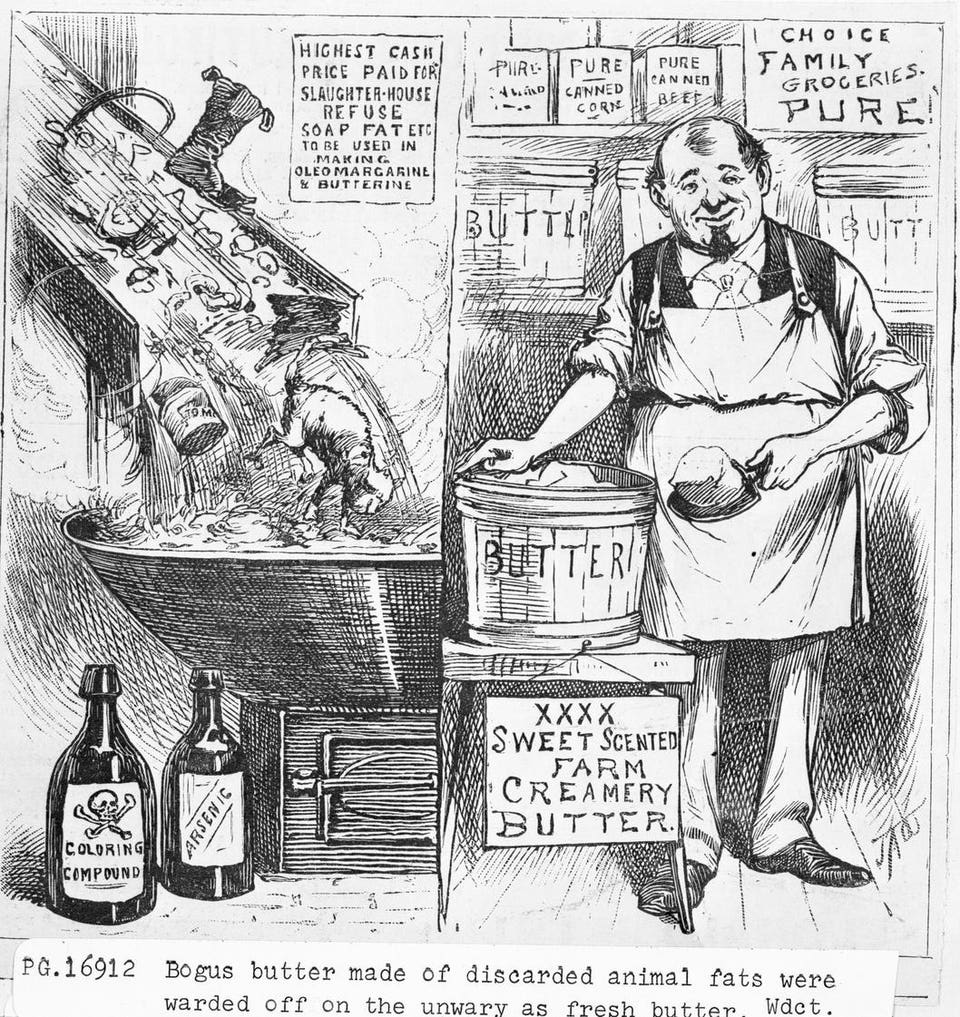
 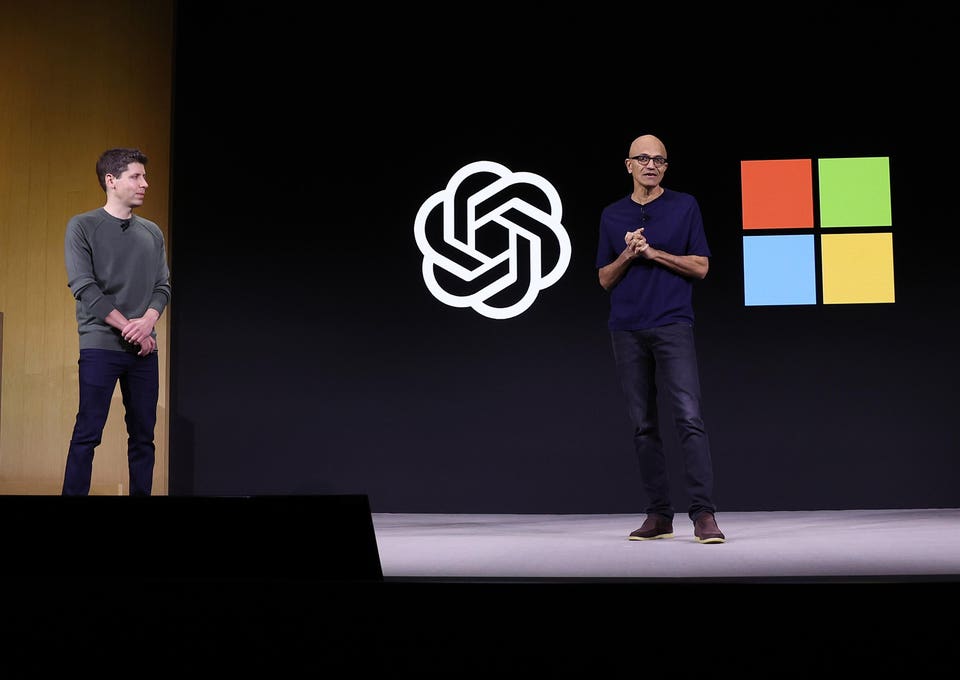 06.11 COLUMN The Moral Of Fable FORBES
  06.10 ESSAY Where Self-Improving AI is the Beginning of Infinity (And Where It Hits a Wall) SUBSTACK
  06.02 ESSAY Bot Chargebacks, Voyages, and AI Liability KOREA HERALD
  04.20 COLUMN The Banks Would Like To Dye Your Stablecoins Pink FORBES
  04.18 ESSAY Agents Are Starting to Operate Real Systems — Who’s Actually in Control? A16Z
  03.19 ESSAY Software Eats the Brokerage SUBSTACK
  03.18 COLUMN Babysitting The Slop FORBES
  03.10 COLUMN Software Eats The Brokerage—AI Lowers Cost, Crypto Makes It Verifiable FORBES
  Jan 2026 ESSAY Every Fintech Has an AI Question. Many Are Asking the Wrong One KOREA HERALD Jan 2026 ESSAY The Most Valuable AI Tool in Fintech Isn't an LLM… It's a Banking Charter CPI
  Winter 2026 ESSAY What Stablecoin Regulation Means for Business MIT SMR
Aug 2026 ESSAY Some Simple Economics of Open versus Closed AI A16Z 08.07 ESSAY Surviving the AI Moatpocalypse SUBSTACK Jul 2026 COLUMN Don’t Pace The Frontier. Look Inside The Trojan Horse. FORBES Jul 2026 COLUMN You Can't Tariff Intelligence FORBES Jul 2026 COLUMN There’s One Way To Win The AI Race, And The Big Labs Are Lobbying Against It FORBES 06.30 COLUMN Why An Open Standard Will Win The Stablecoin Race FORBES 06.27 ESSAY Intelligence Wants to Be Free SUBSTACK 06.16 COLUMN Nadella’s Test: What’s Left When The AI Model Is Pulled? FORBES 06.11 COLUMN The Moral Of Fable FORBES 06.10 ESSAY Where Self-Improving AI is the Beginning of Infinity (And Where It Hits a Wall) SUBSTACK 06.02 ESSAY Bot Chargebacks, Voyages, and AI Liability KOREA HERALD 04.20 COLUMN The Banks Would Like To Dye Your Stablecoins Pink FORBES 04.18 ESSAY Agents Are Starting to Operate Real Systems — Who’s Actually in Control? A16Z 03.19 ESSAY Software Eats the Brokerage SUBSTACK 03.18 COLUMN Babysitting The Slop FORBES 03.10 COLUMN Software Eats The Brokerage—AI Lowers Cost, Crypto Makes It Verifiable FORBES Jan 2026 ESSAY Every Fintech Has an AI Question. Many Are Asking the Wrong One KOREA HERALD Jan 2026 ESSAY The Most Valuable AI Tool in Fintech Isn't an LLM… It's a Banking Charter CPI Winter 2026 ESSAY What Stablecoin Regulation Means for Business MIT SMR 2025
12.17 COLUMN How Banks Learned To Stop Worrying And Love Stablecoins FORBES  12.12 COLUMN Crypto Is Ready To Be Boring Now FORBES
  11.18 ESSAY The Trillion-Dollar Battle for Money’s Operating System KOREA HERALD
  Sep 2025 ESSAY The Unwitting Kingmaker: Why Washington’s GENIUS Act Could Accidentally Crown a Stablecoin Superpower CPI
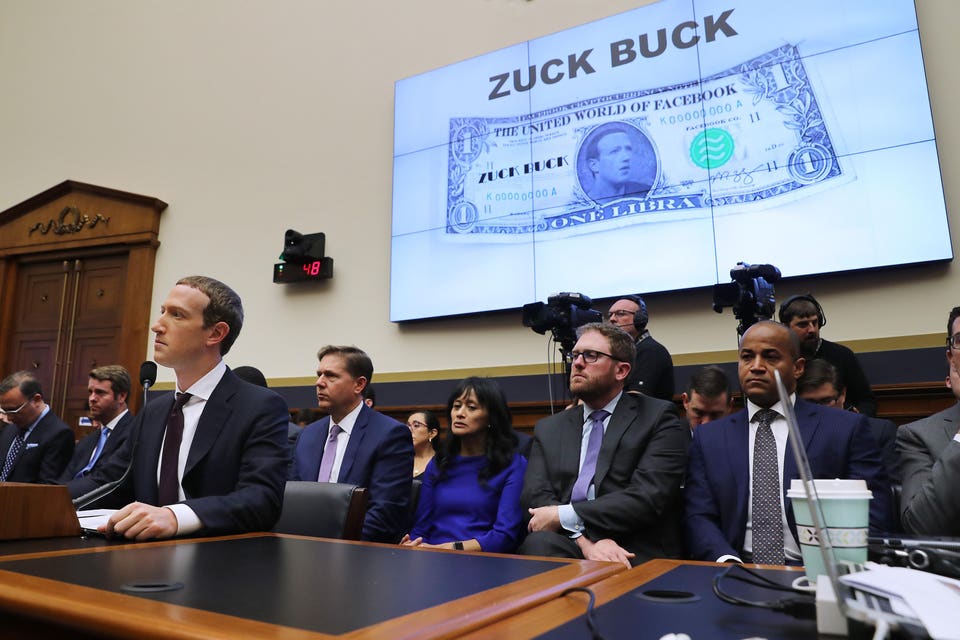
  09.05 COLUMN Stripe’s Tempo And The Ghost Of Facebook’s Libra’s Past FORBES
  Sep 2025 ESSAY Does Bitcoin Belong on Your Balance Sheet? HBR
  08.20 COLUMN Economists Are Still Puzzled By Bitcoin—Should Anyone Be? FORBES
  08.11 COLUMN Stripe Is Building A Blockchain: Can Openness Survive Branded Rails? FORBES
  2025 ESSAY Washington’s New Stablecoin Law Has a 19th-Century Flaw LIGHTSPARK
  2025 ESSAY Can Crypto Go Mainstream Without Losing Its Soul? LIGHTSPARK
  Jun 2025 ESSAY What Gets Measured, AI Will Automate HBR
  05.01 COLUMN What Everyone Gets Wrong About Crypto Adoption FORBES
  04.29 COLUMN The Stablecoin Wars FORBES
 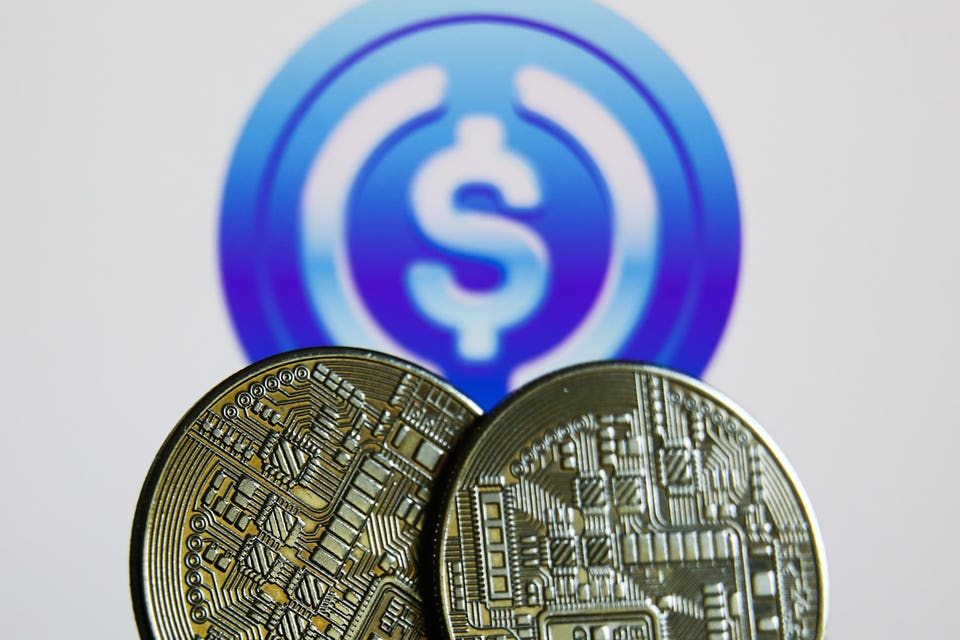 04.11 COLUMN With Dollar Hegemony At Risk, Could This Be Crypto’s Moment? FORBES
 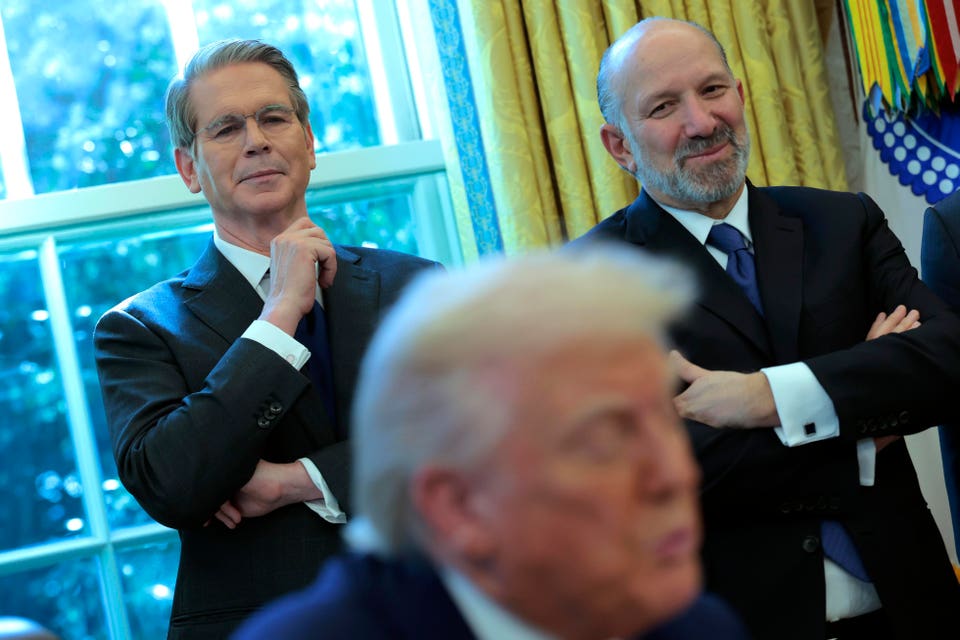 03.06 COLUMN Trump’s Strategic Bitcoin Reserve: Balancing Crypto And Dollar Dominance FORBES
 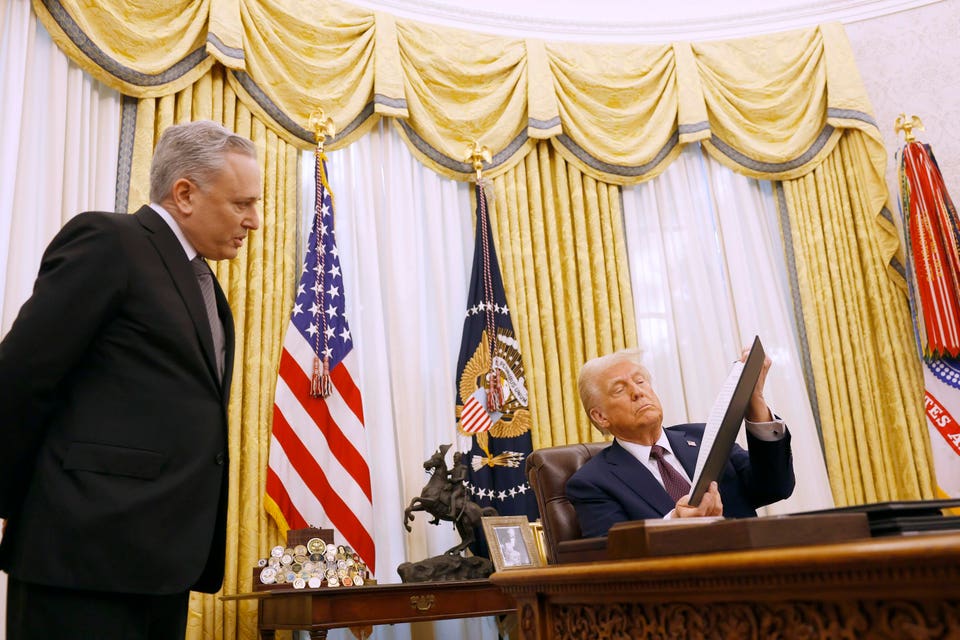 02.06 COLUMN Bitcoin Reserves Won’t Secure America’s Future—Only A Platform Play Will FORBES
 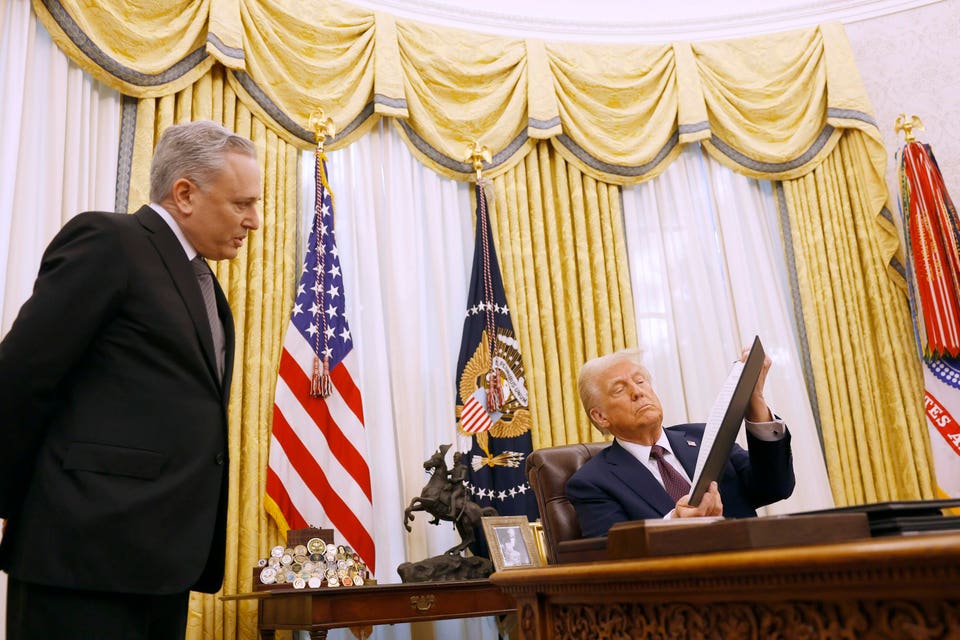 01.16 COLUMN The Internet Of Money Wants To Be Free FORBES
 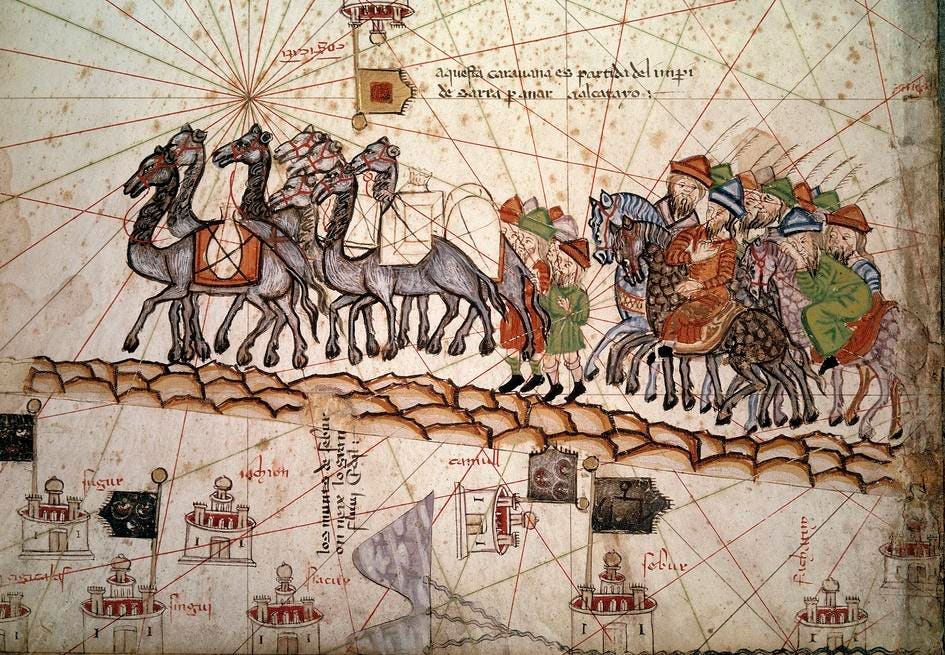 2025 ESSAY Should the United States Implement a Bitcoin Strategic Reserve? A16Z
12.12 COLUMN Crypto Is Ready To Be Boring Now FORBES 11.18 ESSAY The Trillion-Dollar Battle for Money’s Operating System KOREA HERALD Sep 2025 ESSAY The Unwitting Kingmaker: Why Washington’s GENIUS Act Could Accidentally Crown a Stablecoin Superpower CPI 09.05 COLUMN Stripe’s Tempo And The Ghost Of Facebook’s Libra’s Past FORBES Sep 2025 ESSAY Does Bitcoin Belong on Your Balance Sheet? HBR 08.20 COLUMN Economists Are Still Puzzled By Bitcoin—Should Anyone Be? FORBES 08.11 COLUMN Stripe Is Building A Blockchain: Can Openness Survive Branded Rails? FORBES 2025 ESSAY Washington’s New Stablecoin Law Has a 19th-Century Flaw LIGHTSPARK 2025 ESSAY Can Crypto Go Mainstream Without Losing Its Soul? LIGHTSPARK Jun 2025 ESSAY What Gets Measured, AI Will Automate HBR 05.01 COLUMN What Everyone Gets Wrong About Crypto Adoption FORBES 04.29 COLUMN The Stablecoin Wars FORBES 04.11 COLUMN With Dollar Hegemony At Risk, Could This Be Crypto’s Moment? FORBES 03.06 COLUMN Trump’s Strategic Bitcoin Reserve: Balancing Crypto And Dollar Dominance FORBES 02.06 COLUMN Bitcoin Reserves Won’t Secure America’s Future—Only A Platform Play Will FORBES 01.16 COLUMN The Internet Of Money Wants To Be Free FORBES 2025 ESSAY Should the United States Implement a Bitcoin Strategic Reserve? A16Z 2024
12.19 COLUMN Can Crypto’s Scarcity Tame AI’s Infinite Abundance? FORBES  11.26 COLUMN Decentralizing AI—Big Dreams, Bigger Hype? FORBES
  11.01 COLUMN Why Everyone Is Wrong About Stablecoins FORBES
  Sep 2024 ESSAY Crypto Policy Needs to Empower Builders, Not Speculators PROJ SYND
  08.29 COLUMN How The SEC’s Attack On NFTs Harms Creators FORBES
  08.28 COLUMN Why Big Tech Can’t Solve The Content Moderation Problem FORBES
  Aug 2024 ESSAY The Race to Dominate Stablecoins HBR
  Jul 2024 ESSAY Are Stablecoins Winner-Take-All? CPI
  04.18 COLUMN Forget Antitrust, Regulate To Let Tech Disrupt Itself FORBES
  02.19 COLUMN Is Crypto’s Killer App Finally Here? FORBES
11.26 COLUMN Decentralizing AI—Big Dreams, Bigger Hype? FORBES 11.01 COLUMN Why Everyone Is Wrong About Stablecoins FORBES Sep 2024 ESSAY Crypto Policy Needs to Empower Builders, Not Speculators PROJ SYND 08.29 COLUMN How The SEC’s Attack On NFTs Harms Creators FORBES 08.28 COLUMN Why Big Tech Can’t Solve The Content Moderation Problem FORBES Aug 2024 ESSAY The Race to Dominate Stablecoins HBR Jul 2024 ESSAY Are Stablecoins Winner-Take-All? CPI 04.18 COLUMN Forget Antitrust, Regulate To Let Tech Disrupt Itself FORBES 02.19 COLUMN Is Crypto’s Killer App Finally Here? FORBES 2023

2022

2021