Intelligence is getting cheap.
Verification isn’t.
Exploring the intersection of AI, digital assets, and markets as AI drives the cost of intelligence toward zero, and open networks rewire how value moves.
LIGHTSPARK — CO-FOUNDER · LIBRA (META) — CO-CREATOR
MIT CRYPTOECONOMICS LAB — FOUNDER · FORBES — CONTRIBUTOR
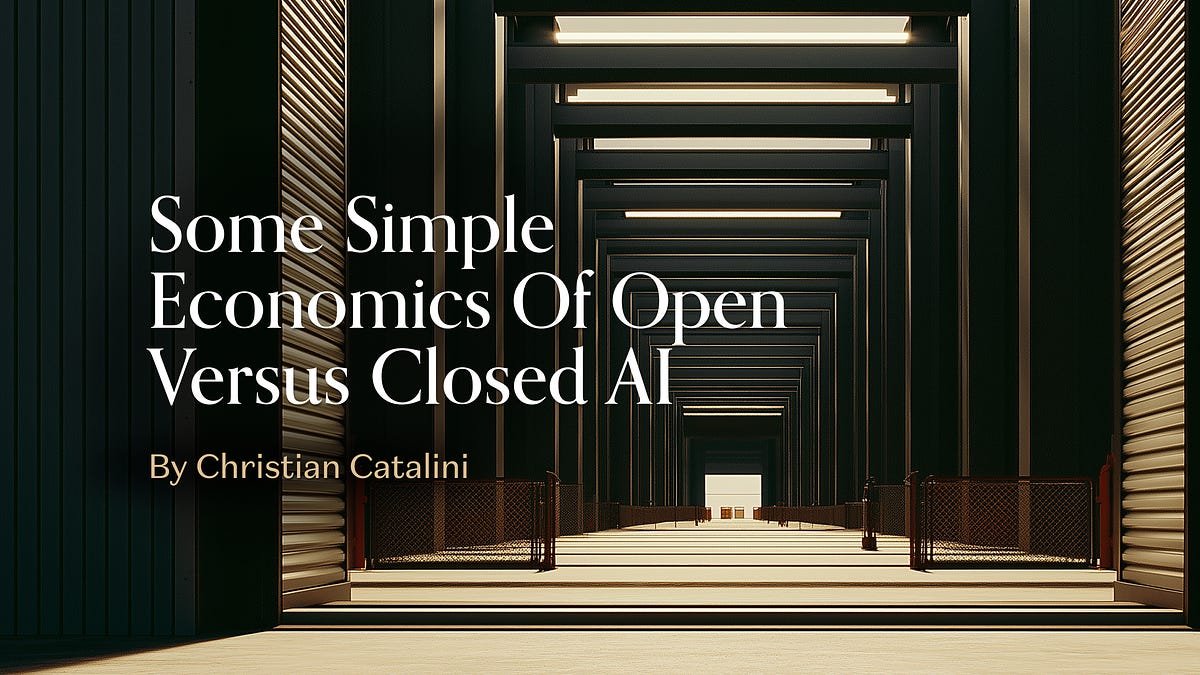
Some Simple Economics of Open versus Closed AI
If the weights are free, who pays for the next run, and who will keep us safe?
Read the essay →When AI can do more than we can check
The price of producing a plausible answer is collapsing. The price of knowing whether it is right is not. That gap will reshape careers, companies, investment, and policy.
Read the explainer →The trillion-dollar battle for money's operating system
Stablecoins are a platform war over the rails of the global economy. The technology matters less than the strategy: issuance is commoditizing, distribution decides the winners, and the endgame is an open standard the whole ecosystem shares.
Read the explainer →Stablecoins grew up — and agents are the next users
Issuance is becoming a commodity; the advantage is distribution. With the GENIUS Act setting reserve and redemption guardrails, the open question shifts to infrastructure for AI agents: portable identity, programmable payments, verifiable trust.
Read the explainer →

 CO-FOUNDER · 2022–2026
 Lightspark
As Chief Strategy Officer, led Finance, AI & Data Science, Business Development & Sales, Corporate Development, and Strategic Partnerships. Now Advisor to the CEO.

 CO-CREATOR · 2018–2022
 Libra / Diem (Meta)
Chief Economist of the Diem Association and Head Economist of Meta’s FinTech division; engaged regulators from the Fed and U.S. Treasury to the ECB, Bank of England, and MAS.

 FOUNDER · 2017–
 MIT Cryptoeconomics Lab
Research on the economics of AI and AGI, digital assets, and stablecoins. Designed the 2014 MIT Digital Currency Research Study — Bitcoin for every MIT undergraduate.